

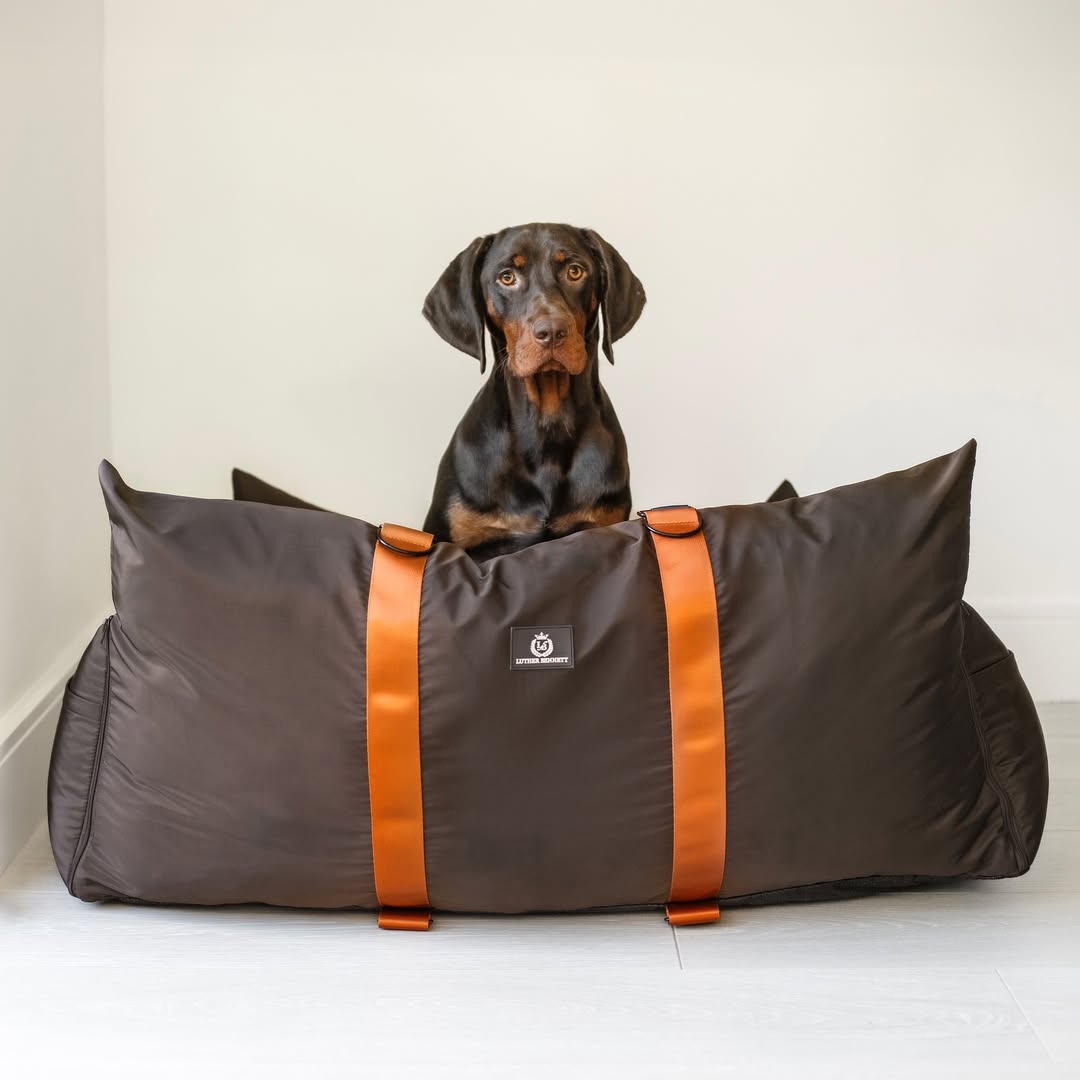
Three ways to travel with your dog, and an honest look at what each one is good at, so you can choose the right one for your dog and your car.
Every dog owner reaches this question sooner or later. Rule 57 of the Highway Code says dogs should be suitably restrained in the car, so they cannot distract you while you drive or hurt you, or themselves, if you stop quickly. It names a seat belt harness, a pet carrier, a dog cage and a dog guard as ways to do it.
So the real question is not whether to restrain your dog. It is which option suits your dog, your car and the way you travel. Here is how the three compare.
The three options
A harness with a seatbelt clip keeps your dog tethered to one spot on the seat. The harness goes around their body, and a short lead clips into the seatbelt buckle.
A crate or carrier encloses your dog in a rigid or soft box, usually in the boot or on the back seat.
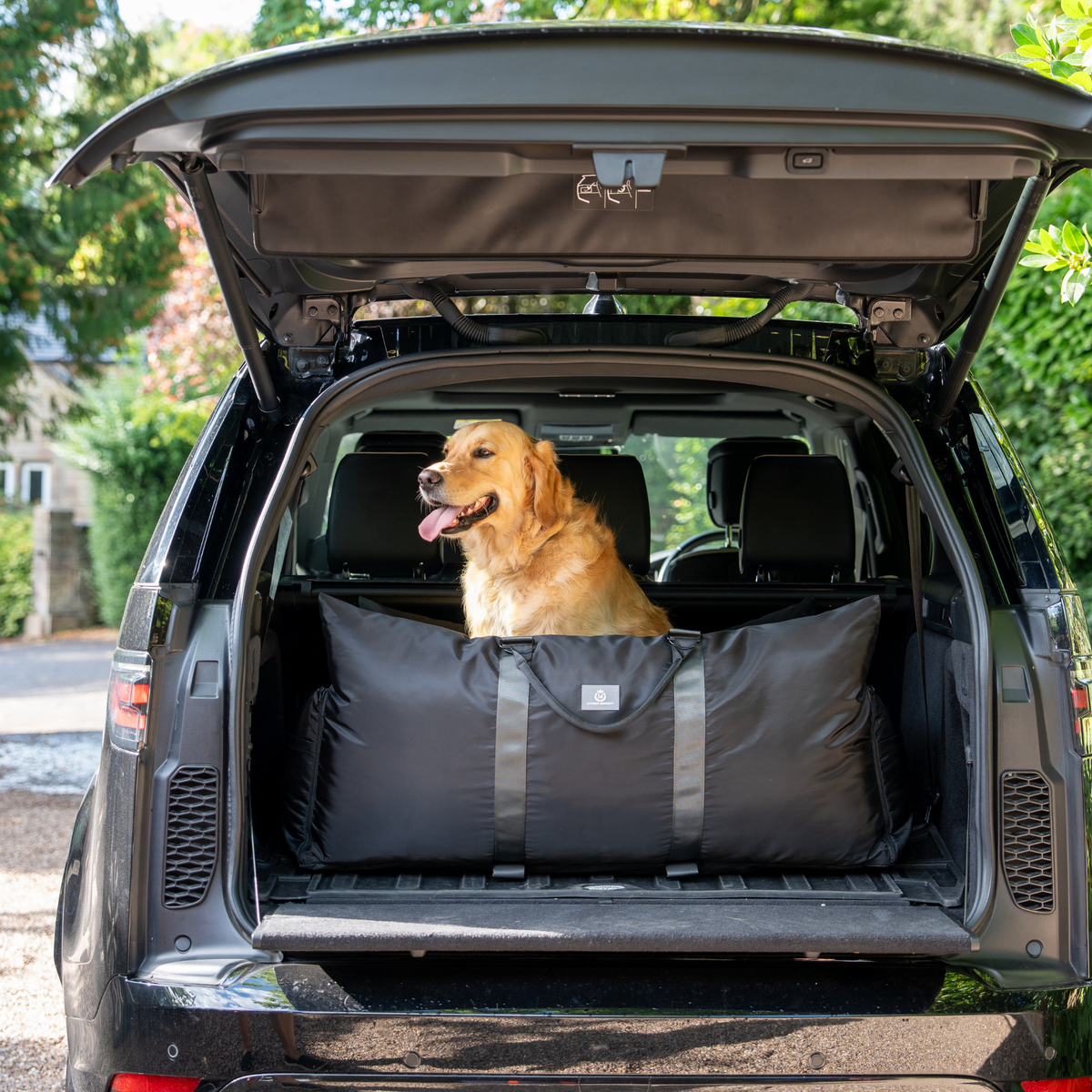
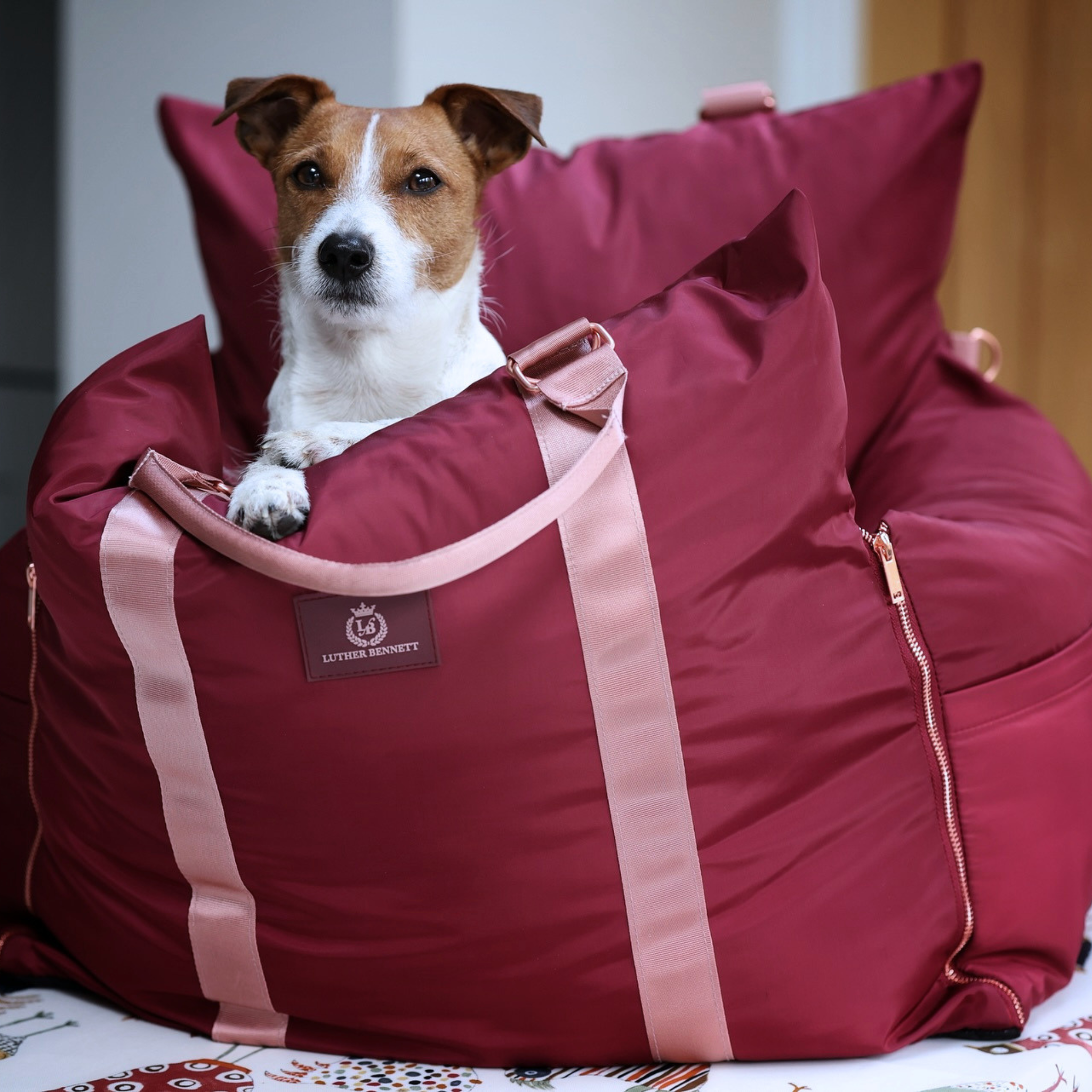
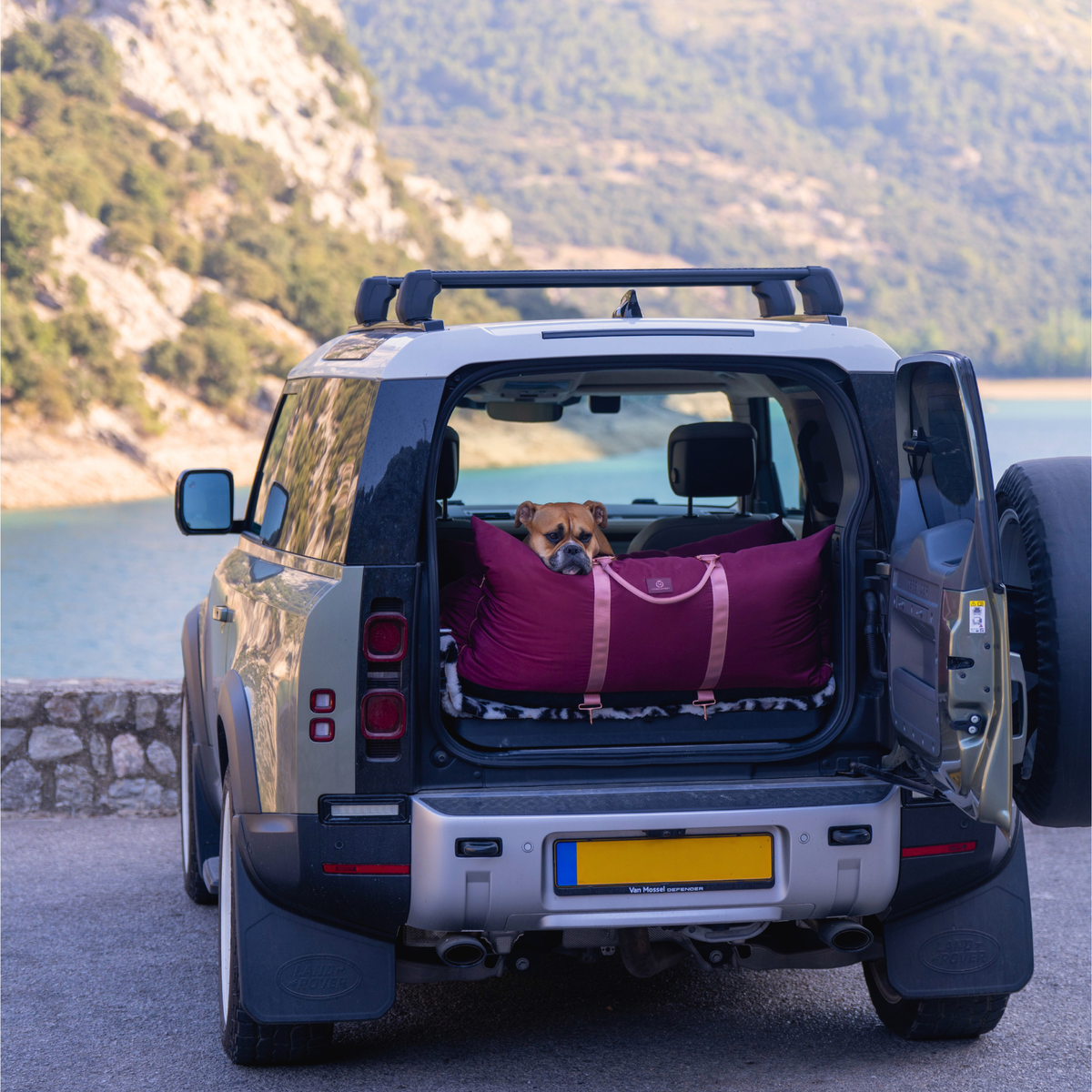
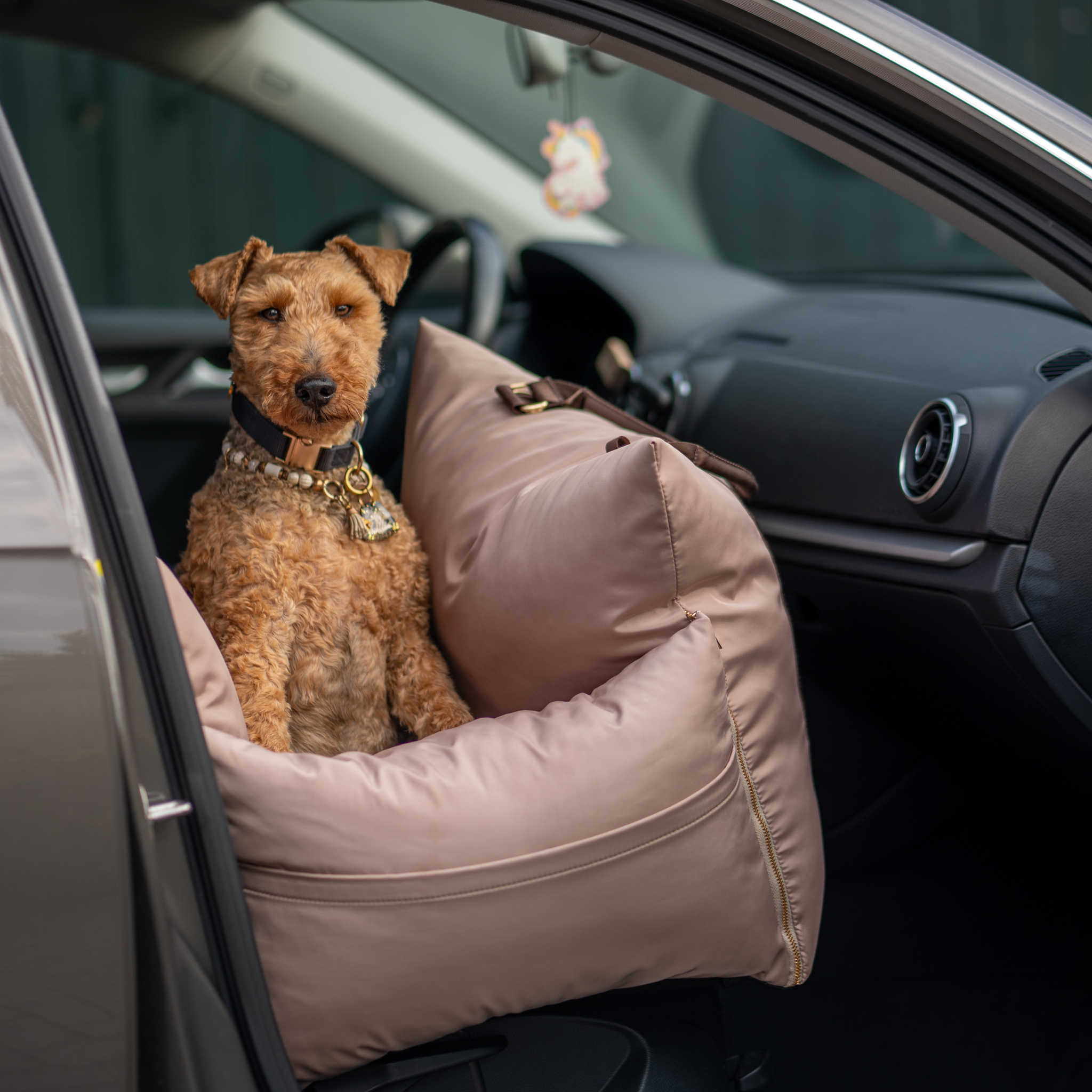
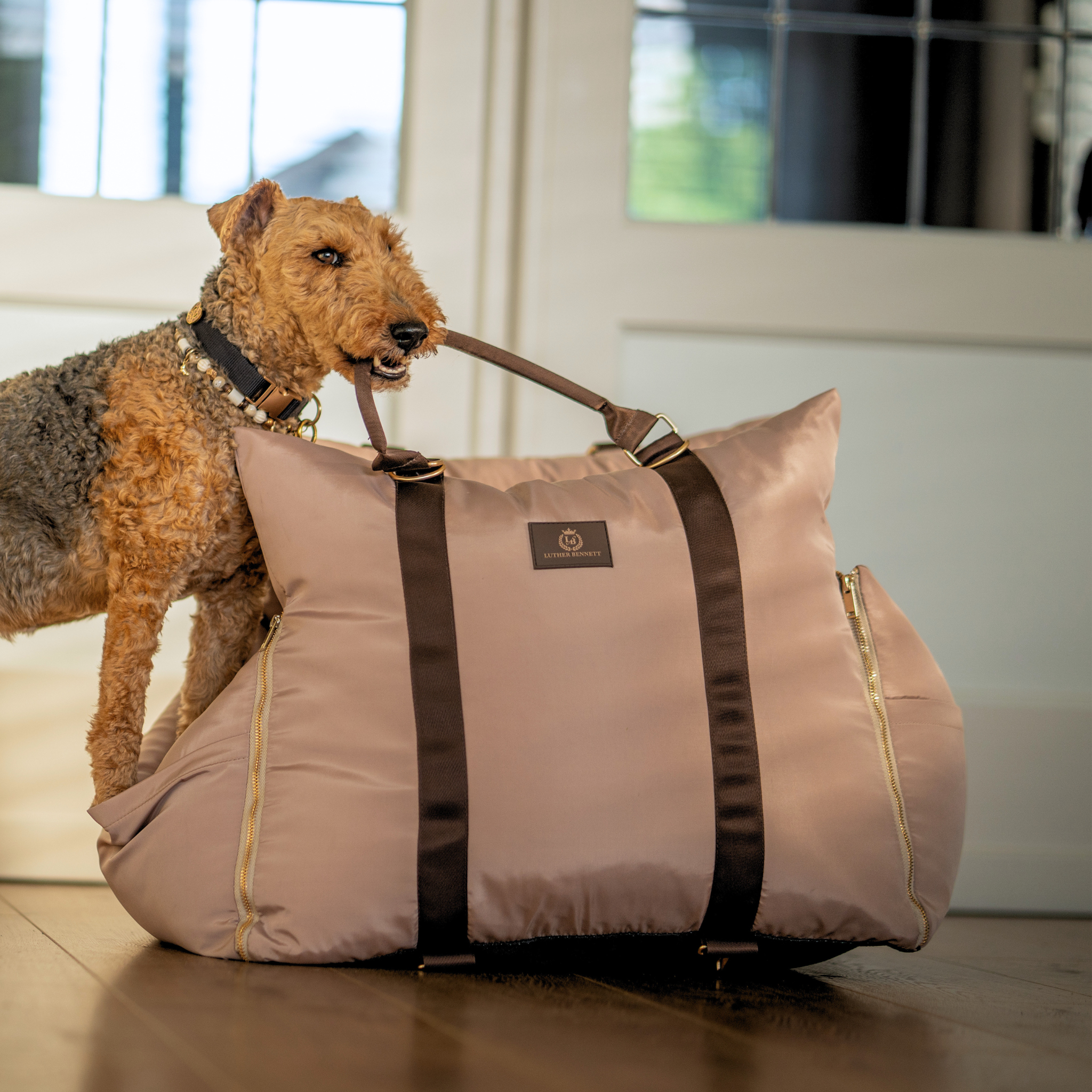
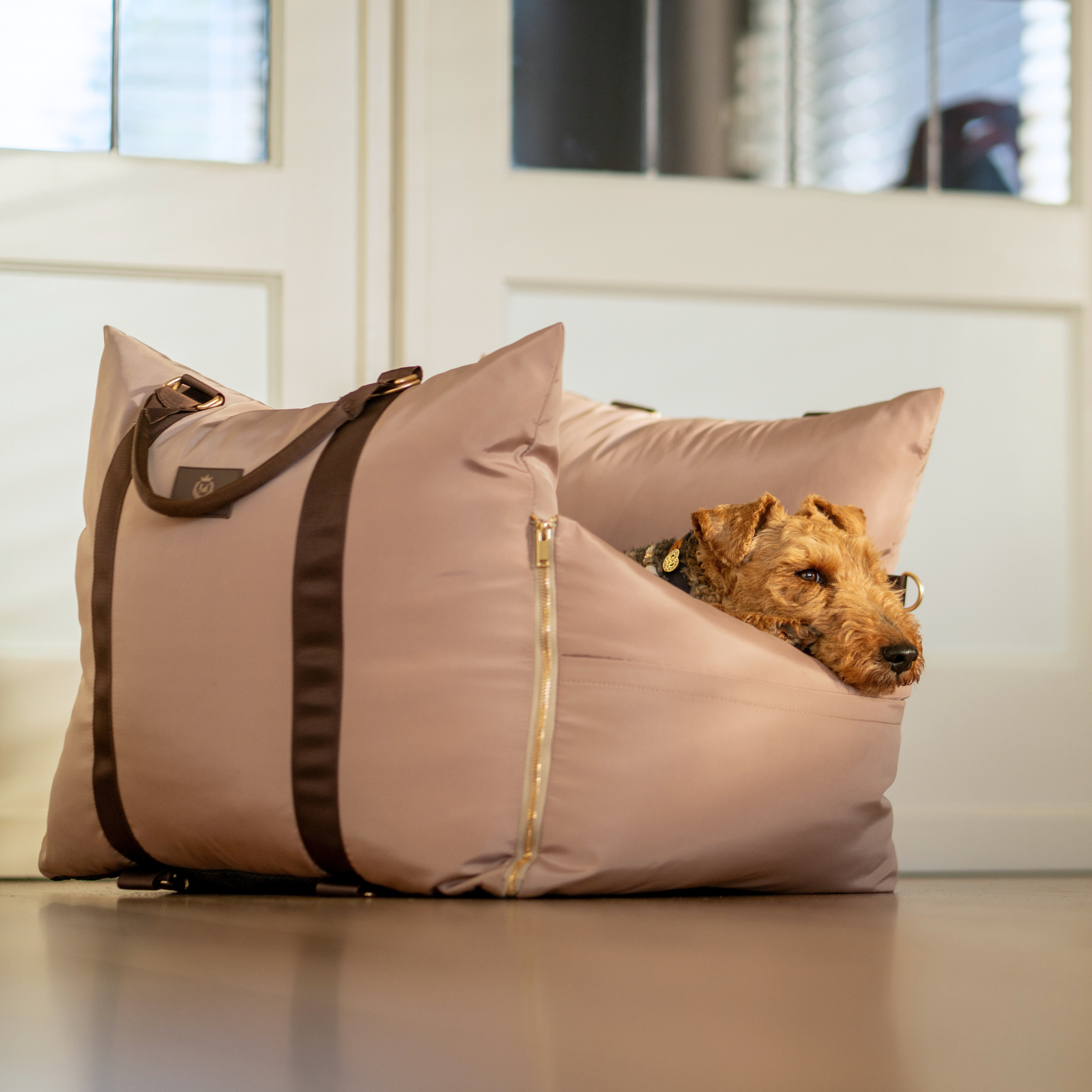
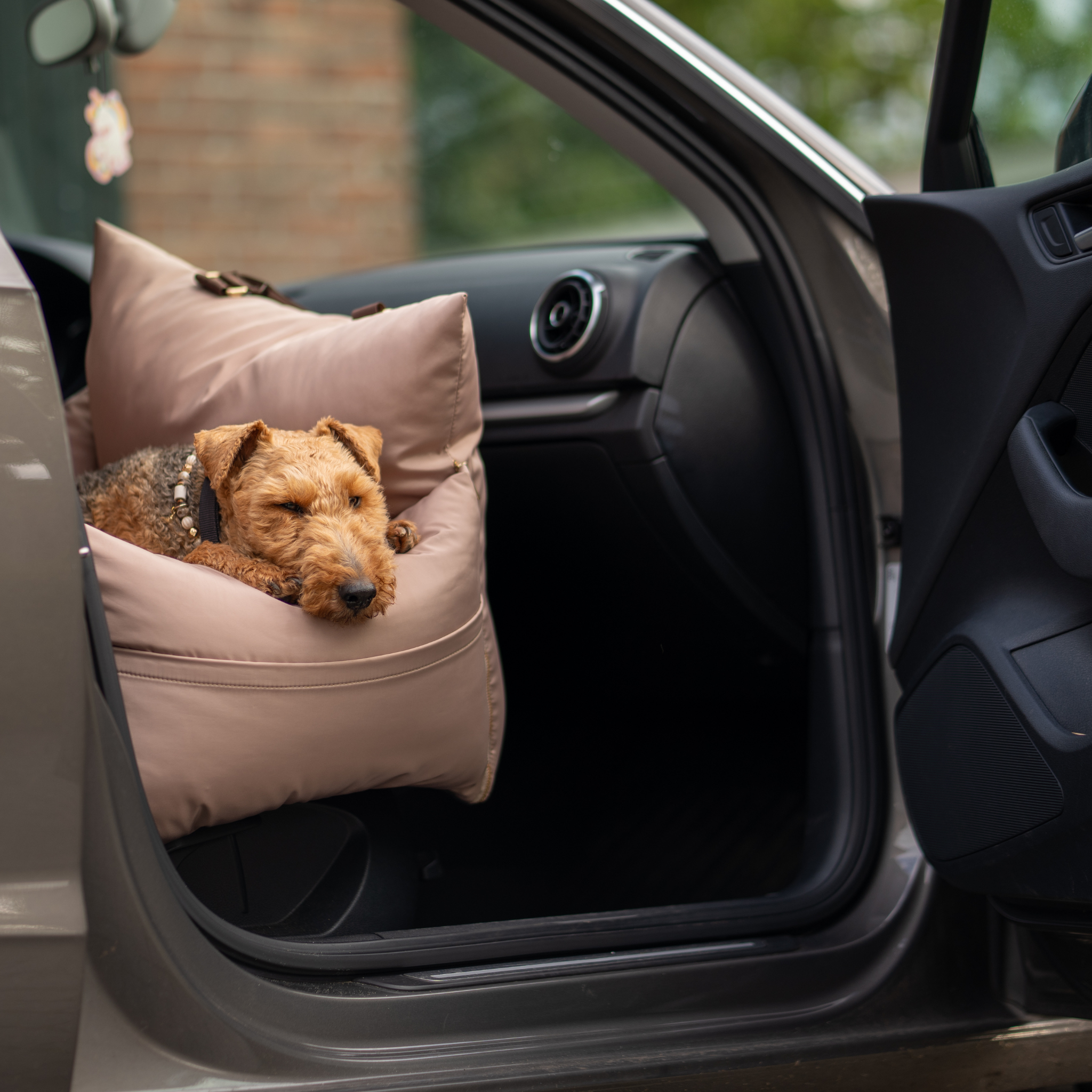
A dog car seat gives your dog their own padded space on the back seat, fixed to the car by the seatbelt or by ISOFIX.
How each one keeps your dog in place
Harness. A harness stops your dog roaming around the car, which is its main job and an important one. It holds them at one point, so they can still slide, shift and lean as the car moves. The lead length matters: too long and your dog can reach the footwell or the front seats.
Crate. A crate is only as steady as the way it is fixed. Strapped to the boot's tie-down points with no slack, it stays put. Simply placed in the boot, it can slide on every corner. If you use a crate, secure it properly every time.
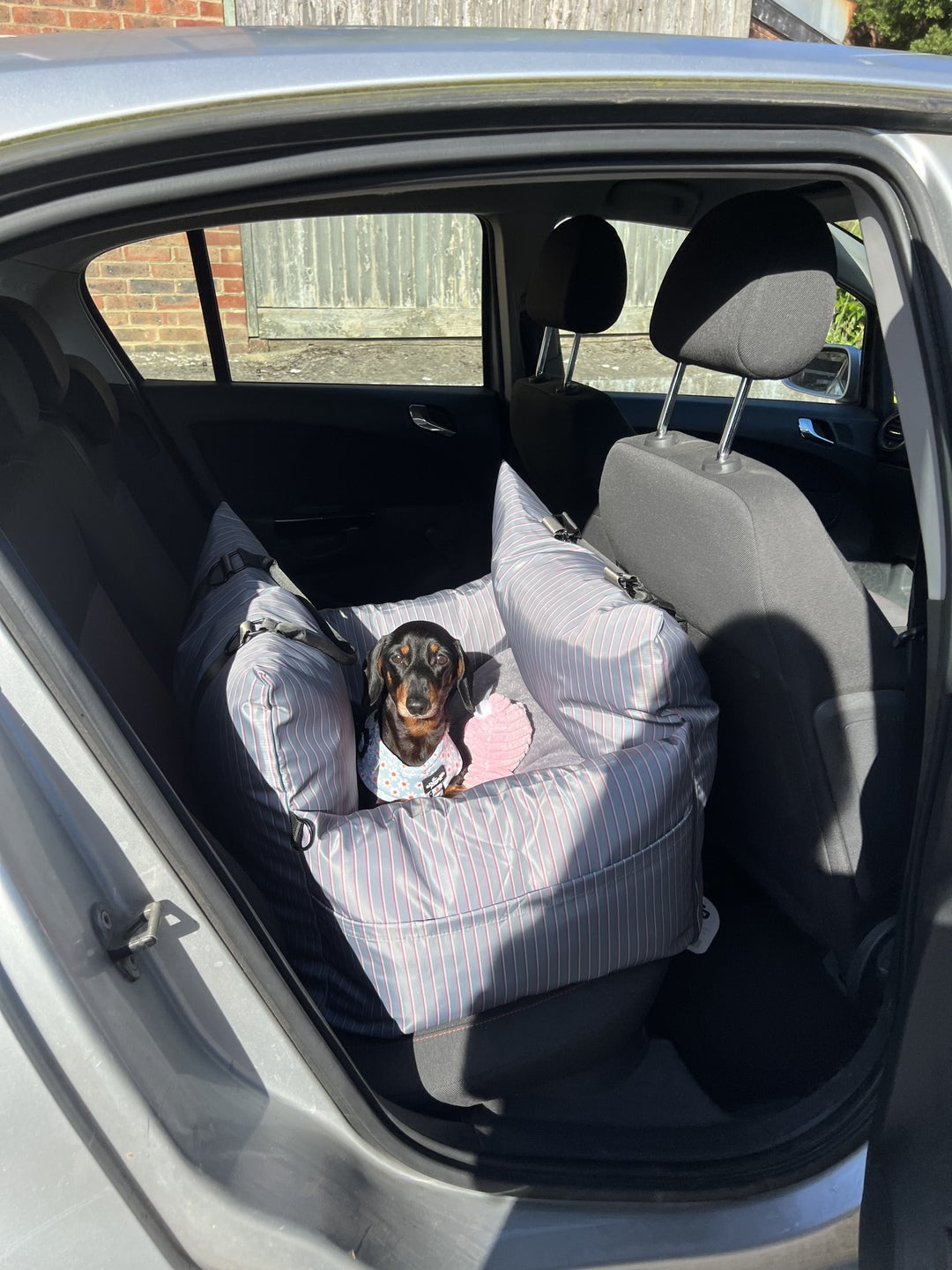
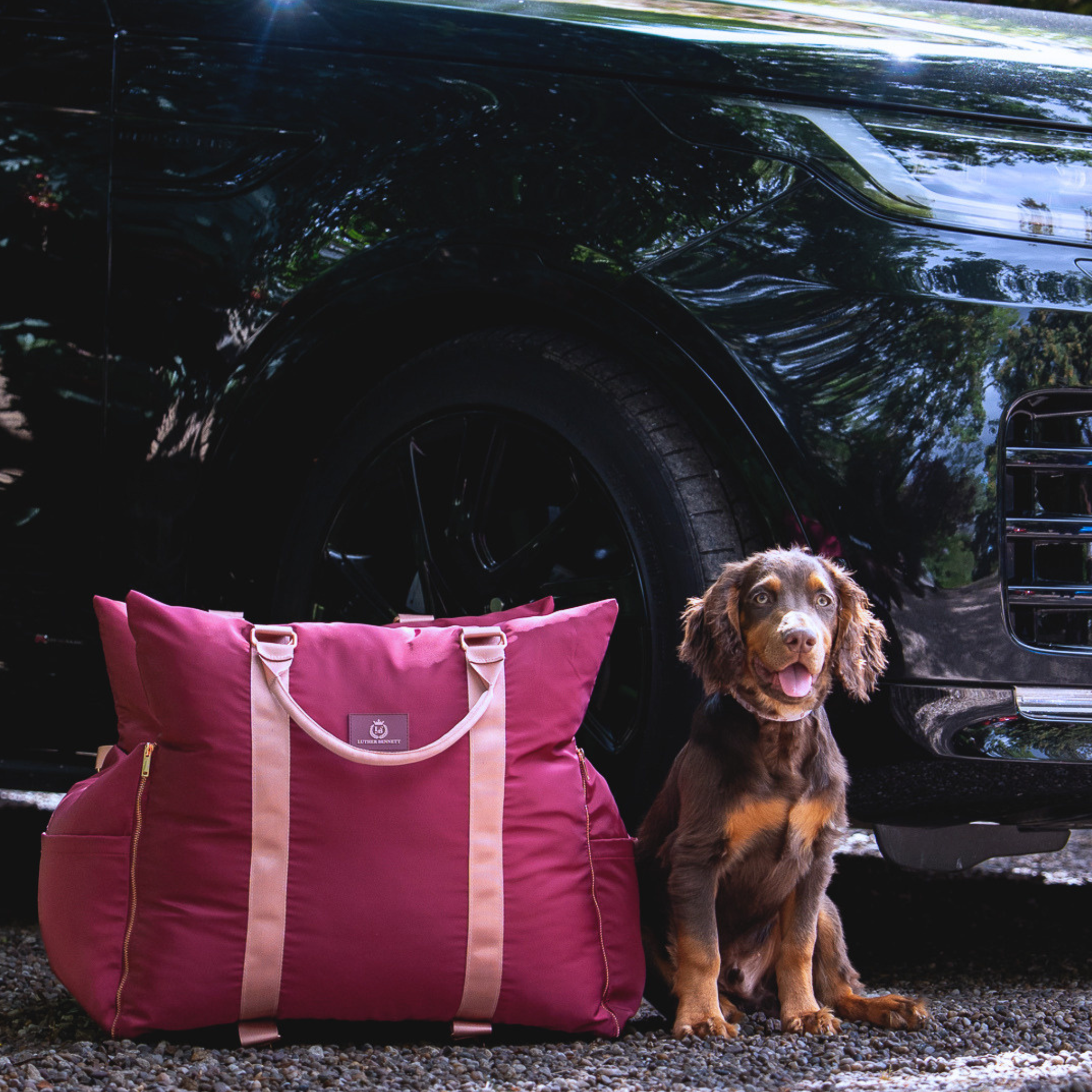
Dog car seat. Here the fixing is what counts. A seat that hangs from the headrest moves with every turn. A seat that is fixed to the car itself stays where you put it. The Travel Dog Pod is anchored from 6 points: two ISOFIX connectors that clip onto your car's ISOFIX points, two heavy-duty buckle straps, and two safety leashes that clip to your dog's harness.
How your dog feels on the move
This is where the three are most different, and it is the part your dog notices on every journey.
Harness. On a flat seat, your dog has to balance against every turn, brake and bump. Many dogs respond by bracing, standing stiff with their legs locked. That constant bracing is what drives a lot of car anxiety and car sickness. They are not resting, they are working.
Crate. A crate's walls give a den-like feeling that some dogs find calming, especially dogs who are already crate trained. In the boot, though, your dog is away from you and cannot see out, and for an anxious dog that distance can make things harder rather than easier.
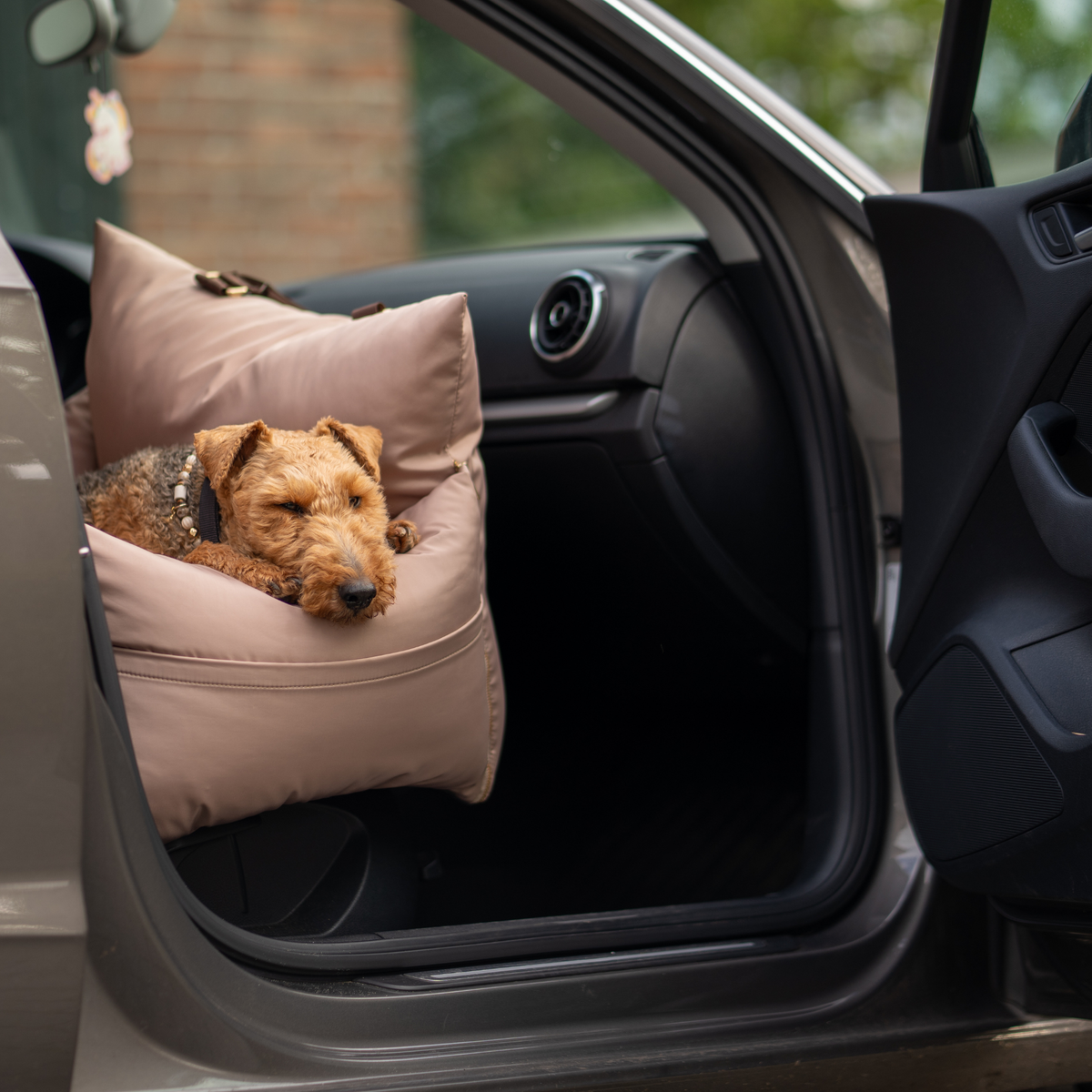
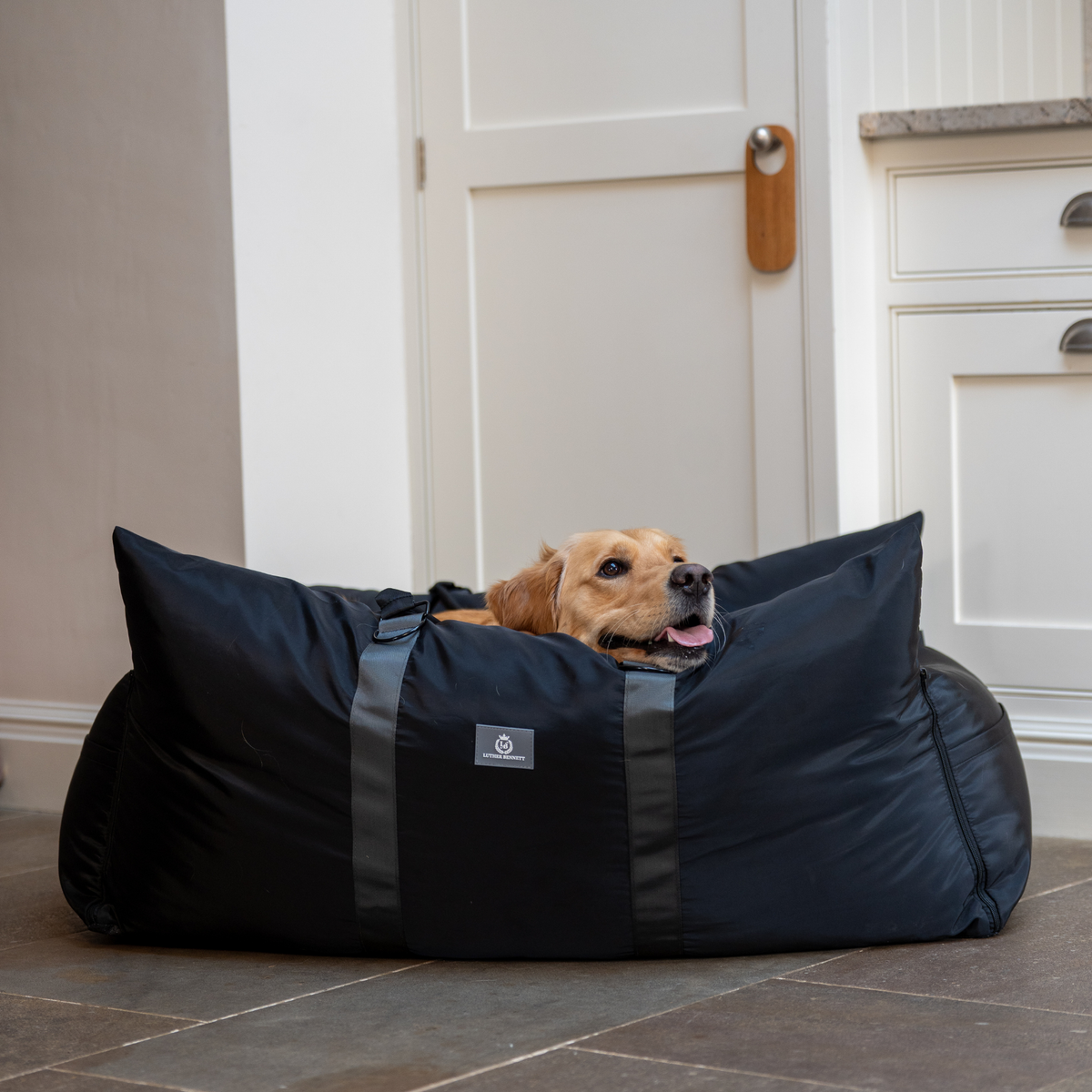
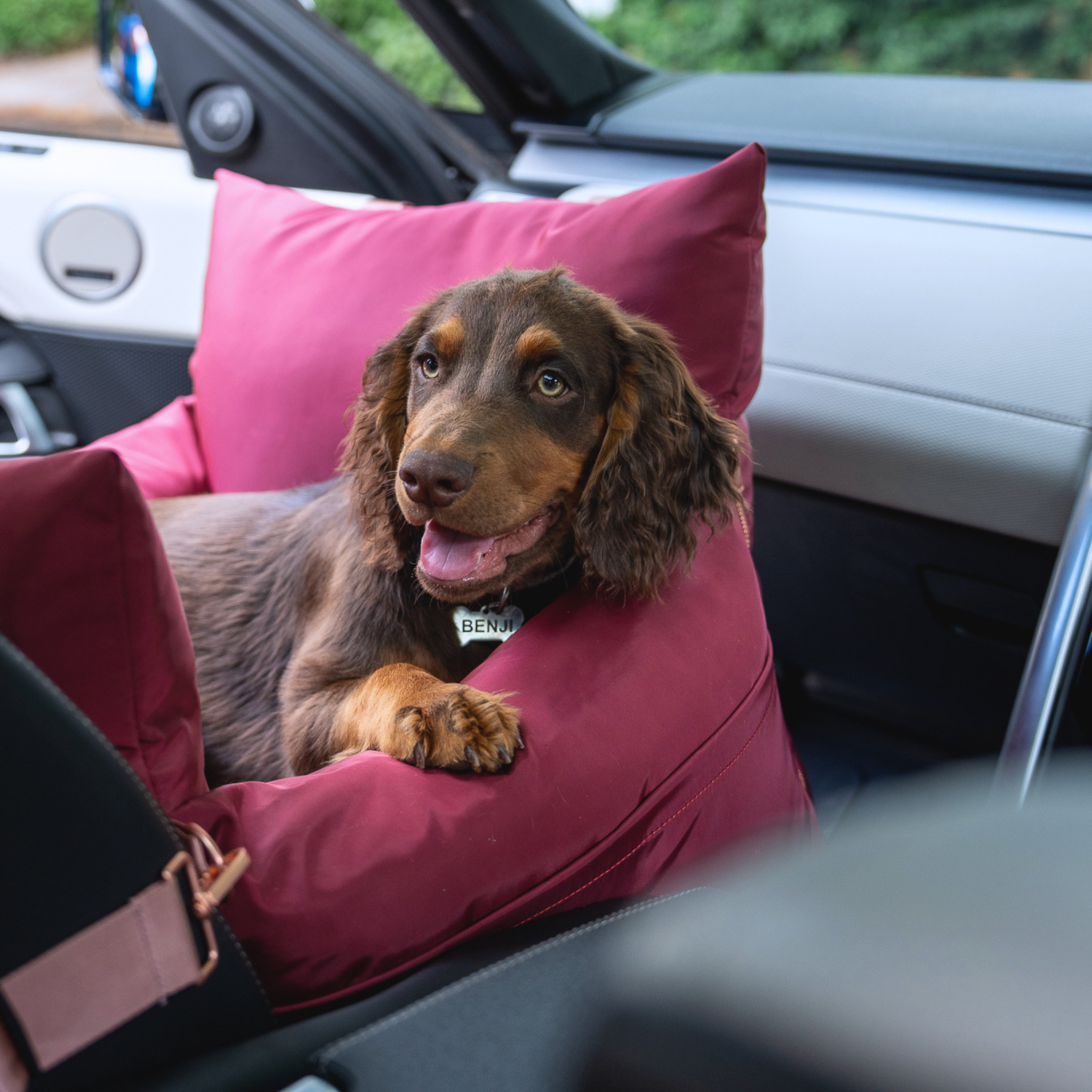
Dog car seat. A good car seat gives your dog support on every side, so the car's movement is absorbed rather than felt. The Pod is raised, so your dog can see out and see you. Its deep, padded walls and supportive base take the movement of the car, so your dog stops bracing, sinks in and settles. They are on the back seat, close to you, which matters to dogs who travel better with their people nearby.
Daily life
Harness. Light and easy to store. The catch is the routine: harness on, clip in, untangle the lead, unclip, harness off, every trip. Dogs who dislike being handled can find that part stressful.
Crate. Once it is set up, many owners leave it in the boot. It takes up most of the boot space, and securing it properly each time takes a few minutes.
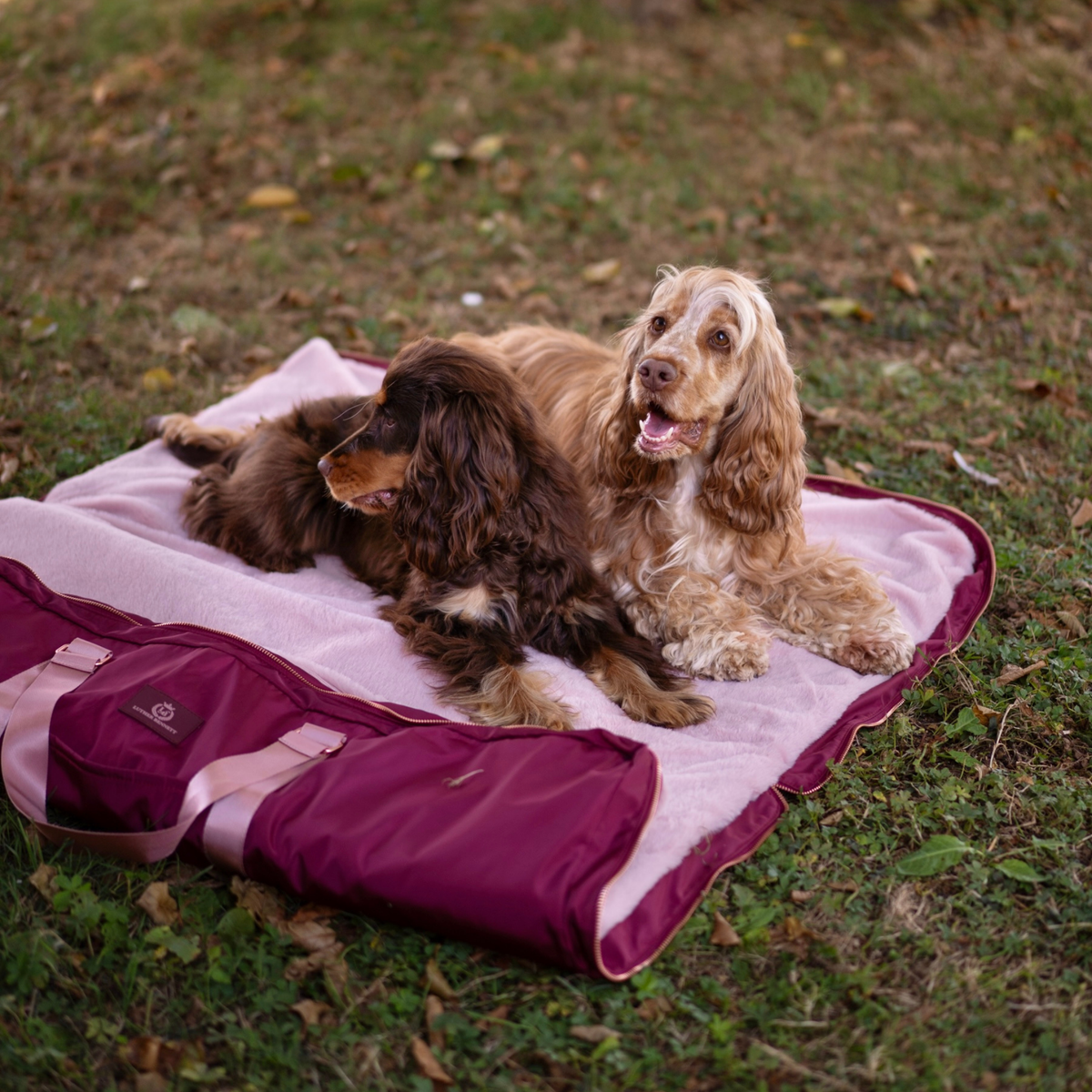
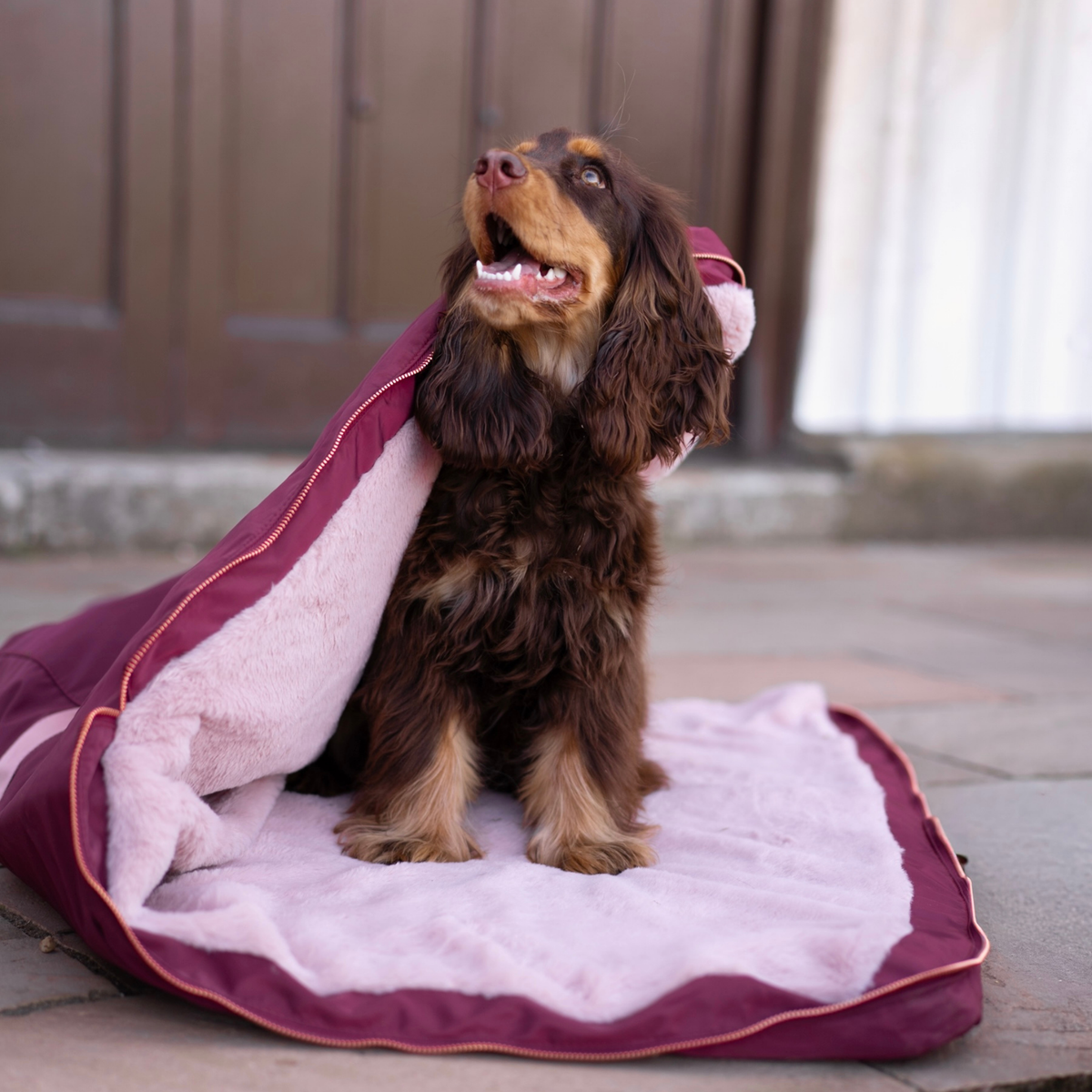
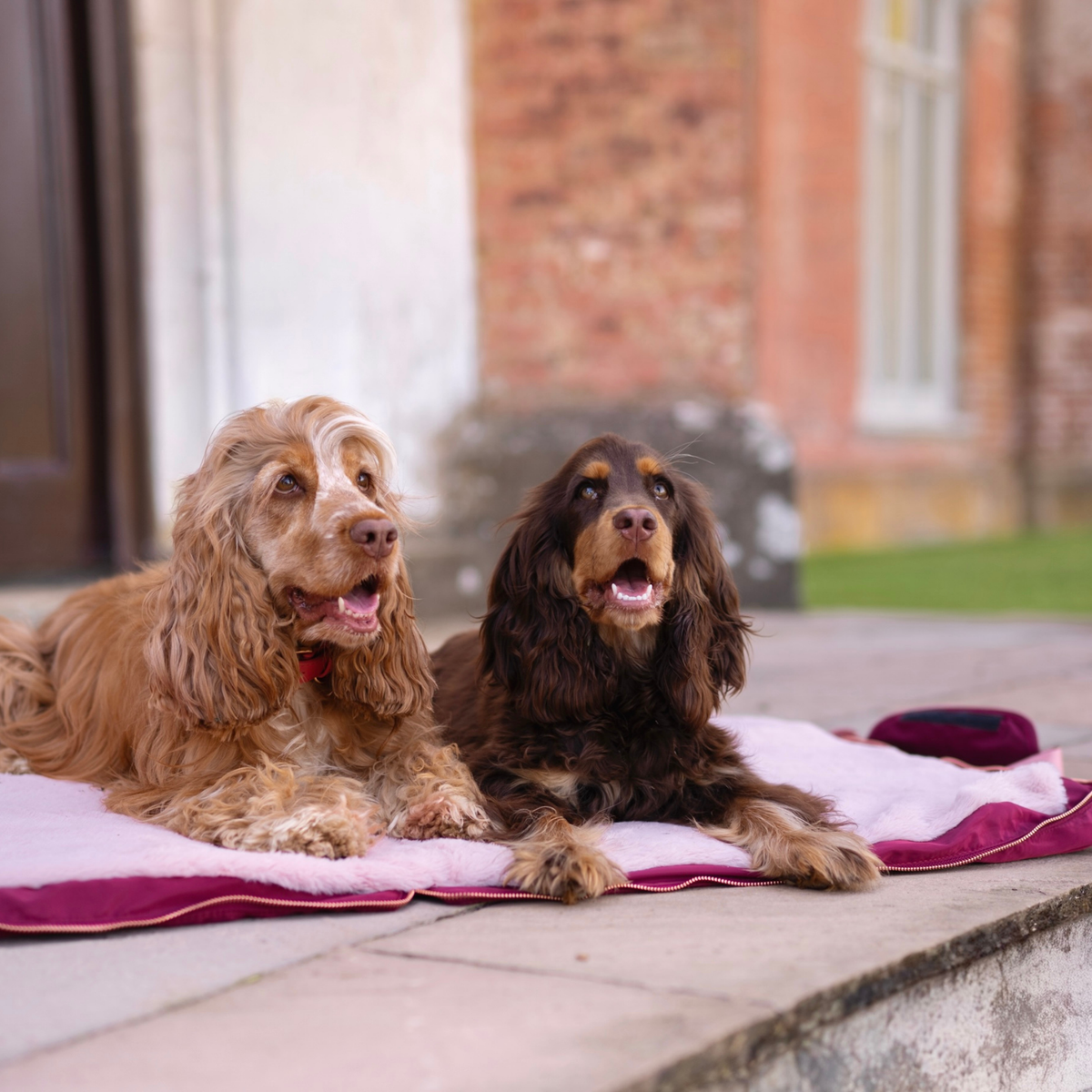
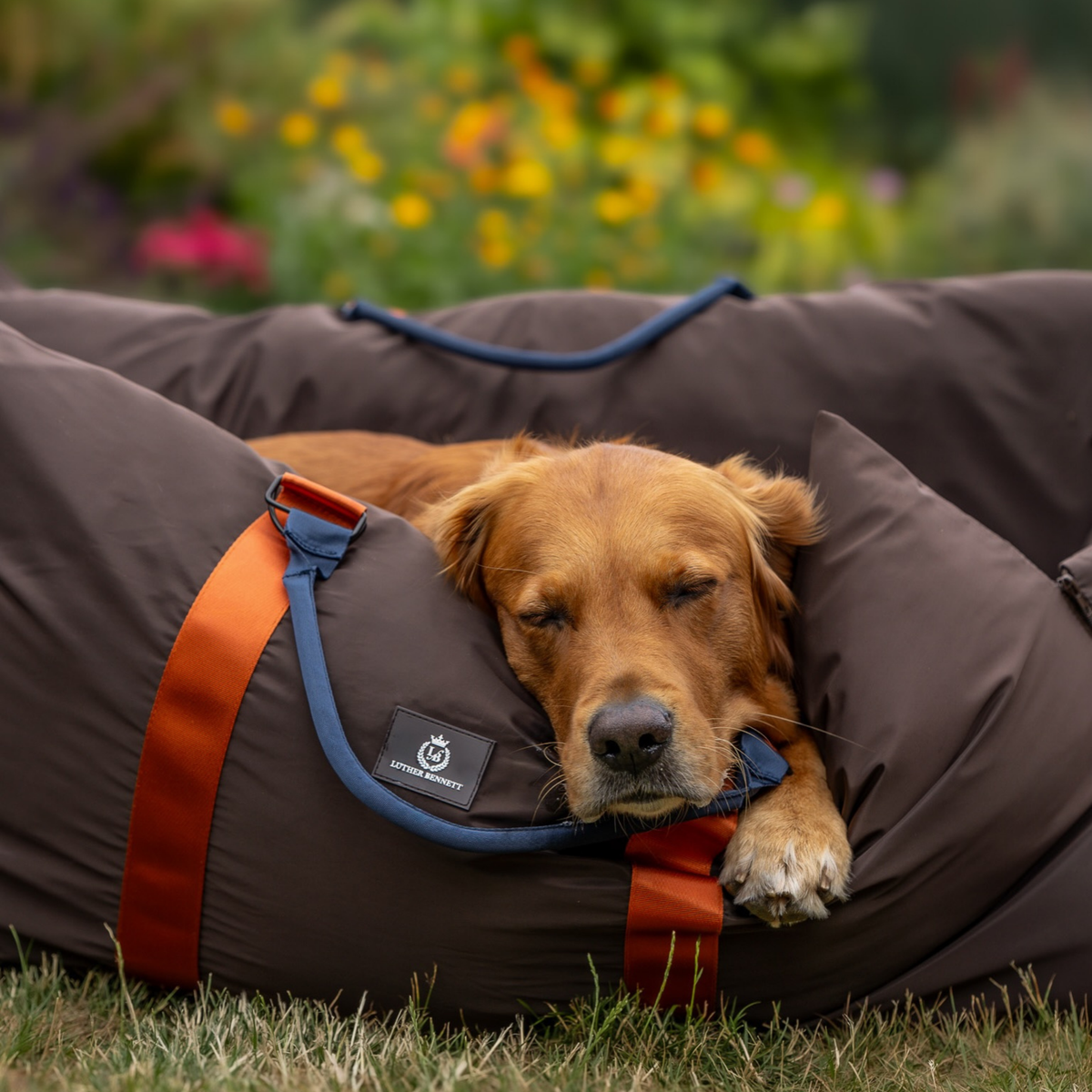
Dog car seat. Fit it once and it stays in the car, ready for the next trip, so your dog climbs in, settles and you go. When it gets muddy, the covers come off and wash, and a replacement cover gives it a fresh start rather than a new Pod. At the other end it unzips into a bed, so the spot your dog sleeps in at home comes with you to the cottage, the campsite or the hotel.
Which one is right for your dog?
A harness can suit very large dogs who will not fit a car seat, and short, occasional trips.
A secured crate can suit dogs who are already crate trained and settled in one, and larger dogs travelling in a big boot with proper tie-down points.
A dog car seat suits most small and medium dogs who travel on the back seat. It suits dogs who get anxious or sick in the car, puppies who are learning to travel, and owners who want something that stays in the car and is easy every day.
For most dog owners with small and medium breeds, a car seat that is anchored to the car and lets their dog settle is the best of the three for everyday travel.
At a glance
How the three compare for everyday travel.
| Harness | Crate (secured) | Dog car seat (anchored) | |
|---|---|---|---|
| Stays in place | At one point, so your dog can still slide and shift | When strapped to the boot's tie-down points | Held on the seat by ISOFIX and buckle straps |
| Lets your dog settle | Rarely, most dogs brace | Sometimes, if crate trained | Inclusive design helps them feel at ease |
| Close to you | Yes | Not in the boot | Yes, on the back seat |
| Can see out | Yes | Rarely | Yes, it is raised |
| Space it takes | Almost none | Most of the boot | One rear seat |
| Day to day | Clip in and out every trip | Strap down each time | Stays fitted, climb in and go |
| Easy to clean | Usually machine washable | Wipe clean | Covers come off and wash |
| Doubles as a bed | No | No | Yes, it unzips into one |
| Best for | Very large dogs and short trips | Crate-trained and larger dogs | Most small and medium dogs |
A note on crash testing
Our Dog Pods have not undergone formal crash testing at this stage, but they have been designed with multiple layers of safety to help keep your dog secure and stable during travel: ISOFIX where available, two heavy-duty buckle straps and safety leashes to the harness. Always use the Pod with a properly fitted harness, never the collar. Formal crash testing is something we are actively working towards.
Find the right fit
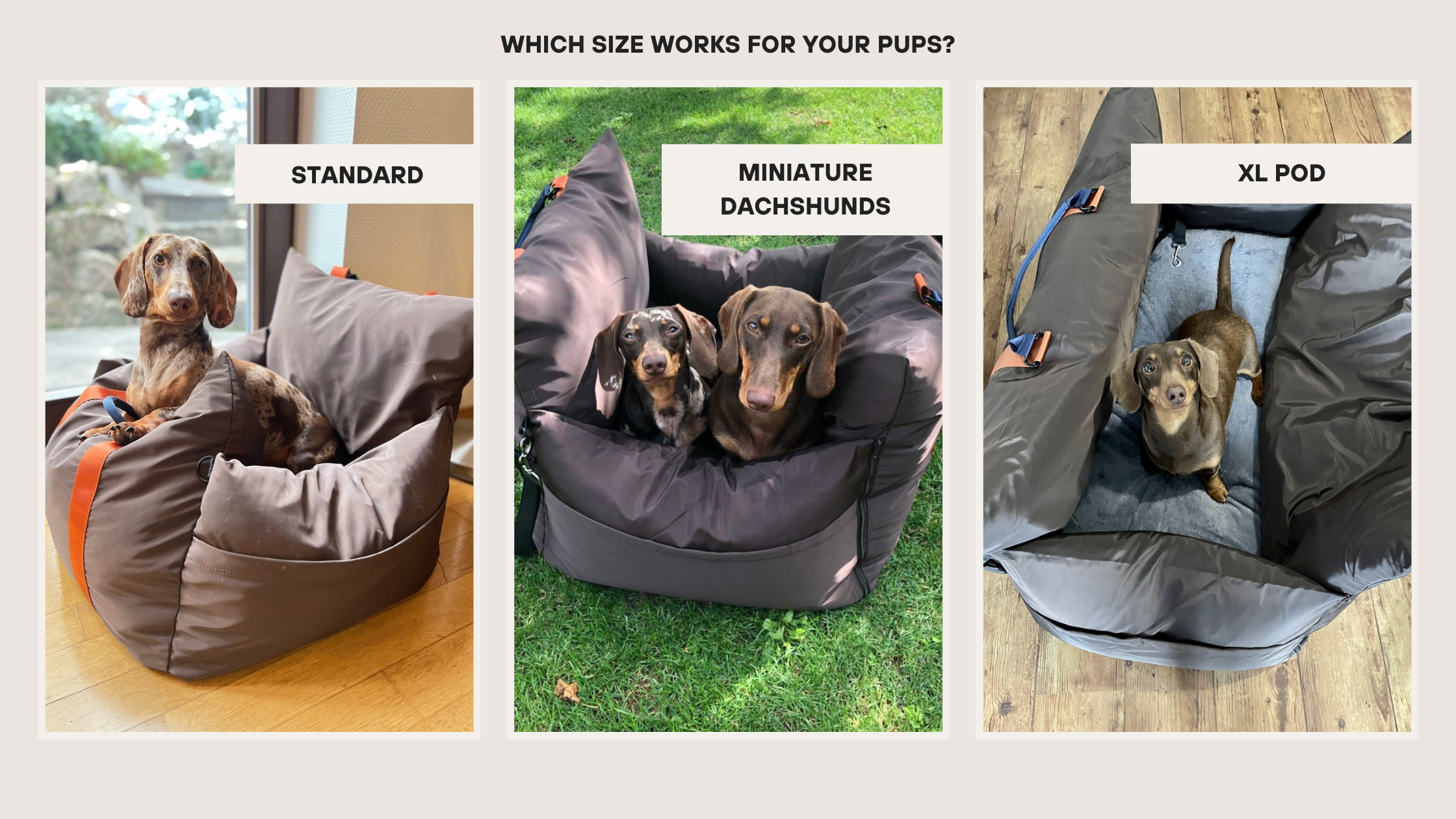
Not sure which size your dog needs? Our team will help you choose. Find your Travel Dog Pod, and try it for 45 days.





Share:
Travelling With a Cockapoo: Car Anxiety Tips and the Best Setup