

They look similar. They feel different. And treating the wrong one makes the other worse. Here's how to tell what's really going on with your dog in the car.
Your dog is drooling. Panting. Maybe shaking. They clearly hate the car, and you're not sure if they're anxious, sick, or both. You've tried treats, open windows, and shorter journeys — nothing's shifted.
The reason nothing's worked might be simpler than you think: you're treating the wrong problem. Car sickness and car anxiety share surface-level symptoms, but they have different causes, different timelines, and different solutions. Getting the distinction right is the difference between a fix that takes weeks and a cycle that drags on for years.
What Car Sickness Actually Is
Motion sickness in dogs works the same way it does in humans. It's a conflict between what the inner ear detects (movement) and what the eyes see (a stationary car interior). The vestibular system — responsible for balance and spatial orientation — receives contradictory signals and triggers a nausea response.
In dogs, this manifests physically: excessive drooling, lip-licking, yawning, lethargy, and vomiting. Some dogs will eat grass frantically before a journey if they've learned to associate the car with nausea. Others simply shut down — becoming quiet and still in a way that looks like calm but is actually the body's attempt to minimise sensory input.
Car sickness is more common in puppies than adult dogs. The vestibular system isn't fully developed until around 12 months of age, which means puppies are physiologically more prone to motion sickness regardless of their temperament. Many puppies genuinely do grow out of it — but only if the early experiences don't create a lasting anxiety association.
What Car Anxiety Actually Is
Car anxiety is a fear response. It can be triggered by previous negative car experiences (sickness, vet visits, loud noises), by the unpredictable sensory environment of a moving vehicle, or by the physical instability of being unrestrained in a moving car.
The symptoms are behavioural rather than physiological: whining, barking, trembling, pacing, refusal to get in, attempts to escape, destructive behaviour, or excessive panting. An anxious dog is hypervigilant — scanning, reacting to every noise and movement, unable to settle.
The critical difference: anxiety starts before or at the very beginning of the journey. A dog with car anxiety shows stress at the sight of car keys, when approaching the vehicle, or in the first moments after the engine starts. The fear is anticipatory — they know what's coming, and they're already bracing for it.
The Timeline Test
This is the simplest way to distinguish the two, and it's remarkably reliable.
If symptoms appear before or immediately at the start of the journey: This is anxiety. Your dog is responding to learned associations, not to motion. The car hasn't moved yet, but the stress is already present.
If symptoms build gradually during the journey: This is motion sickness. Your dog was fine getting into the car, possibly even enthusiastic. But 10-20 minutes into the drive, the drooling starts, the energy drops, and the nausea sets in. The longer the journey, the worse it gets.
If symptoms appear both before and during the journey: This is likely both — and it's the most common scenario. The anxiety is anticipating the sickness. Your dog has learned that the car means feeling unwell, so the fear response kicks in before the motion sickness has a chance to develop. The anxiety then amplifies the physical symptoms, creating a feedback loop that gets worse over time.
Pay attention to when the first symptom appears. That timing tells you which problem is primary.
Symptom-by-Symptom Comparison
Drooling
Sickness: Excessive, stringy drool that increases as the journey progresses. Often accompanied by lip-licking and swallowing. This is a direct nausea response — the body produces saliva to protect the mouth and throat before vomiting.
Anxiety: Light drooling that begins before the car moves. Panting produces some drool, but it's not the thick, excessive drool associated with nausea. If your dog is drooling heavily before the engine starts, stress is the driver, not motion.
Panting
Sickness: Panting during motion sickness is relatively mild and tends to accompany other physical symptoms. It's the body's secondary response, not the primary one.
Anxiety: Heavy, rapid panting is one of the hallmark signs of car anxiety. It begins before or immediately at the start of the journey and may persist throughout, even when the car is stationary in traffic. Anxious panting is faster and more shallow than heat-related or exertion-related panting.
Shaking or Trembling
Sickness: Uncommon. Motion sickness doesn't typically cause trembling. If your dog is shaking and also showing nausea symptoms, anxiety is almost certainly a contributing factor.
Anxiety: Very common. Full-body trembling that begins before or at the start of the journey is one of the clearest indicators of car anxiety. It's the canine equivalent of shaking with fear — a stress response, not a physical illness.
Vomiting
Sickness: The definitive symptom. Vomiting during or immediately after car travel, particularly on longer journeys or winding roads, is motion sickness. The vomiting is preceded by drooling, lip-licking, and restlessness.
Anxiety: Anxiety alone rarely causes vomiting. If your dog is vomiting in the car but shows no nausea build-up — no gradual drooling, no lip-licking — the vomiting may be stress-related. But in most cases, vomiting points to a motion sickness component, even if anxiety is also present.
Whining or Barking
Sickness: Uncommon during active nausea. A motion-sick dog tends to go quiet, not vocal.
Anxiety: Very common. Persistent whining, barking, or crying — particularly before the car moves — is anxiety. It's a distress vocalisation, not a pain response.
Refusal to Get In
Sickness: Mild reluctance is possible, but a dog with pure motion sickness will usually get in the car willingly, particularly if the destination is appealing.
Anxiety: Strong resistance — pulling back on the lead, planting their feet, attempting to escape — is a hallmark of car anxiety. The dog has learned that getting in the car leads to a negative experience, and they're avoiding it.
Why Getting It Wrong Matters
Treating motion sickness as anxiety — by focusing on desensitisation and behavioural work without addressing the physical cause — means your dog keeps getting sick. Every journey reinforces the negative association, and the anxiety component grows.
Treating anxiety as motion sickness — by giving anti-nausea medication to a dog whose primary issue is fear — might reduce vomiting but won't touch the underlying stress. Your dog will still tremble, whine, and resist the car. They just won't vomit.
The most common mistake is assuming it's "just anxiety" and trying to push through it with exposure. If motion sickness is the root cause, repeated exposure without addressing the physical problem makes everything worse. You're not desensitising your dog — you're reinforcing the association between the car and feeling ill.
What to Do About Car Sickness
The physical environment is the starting point.
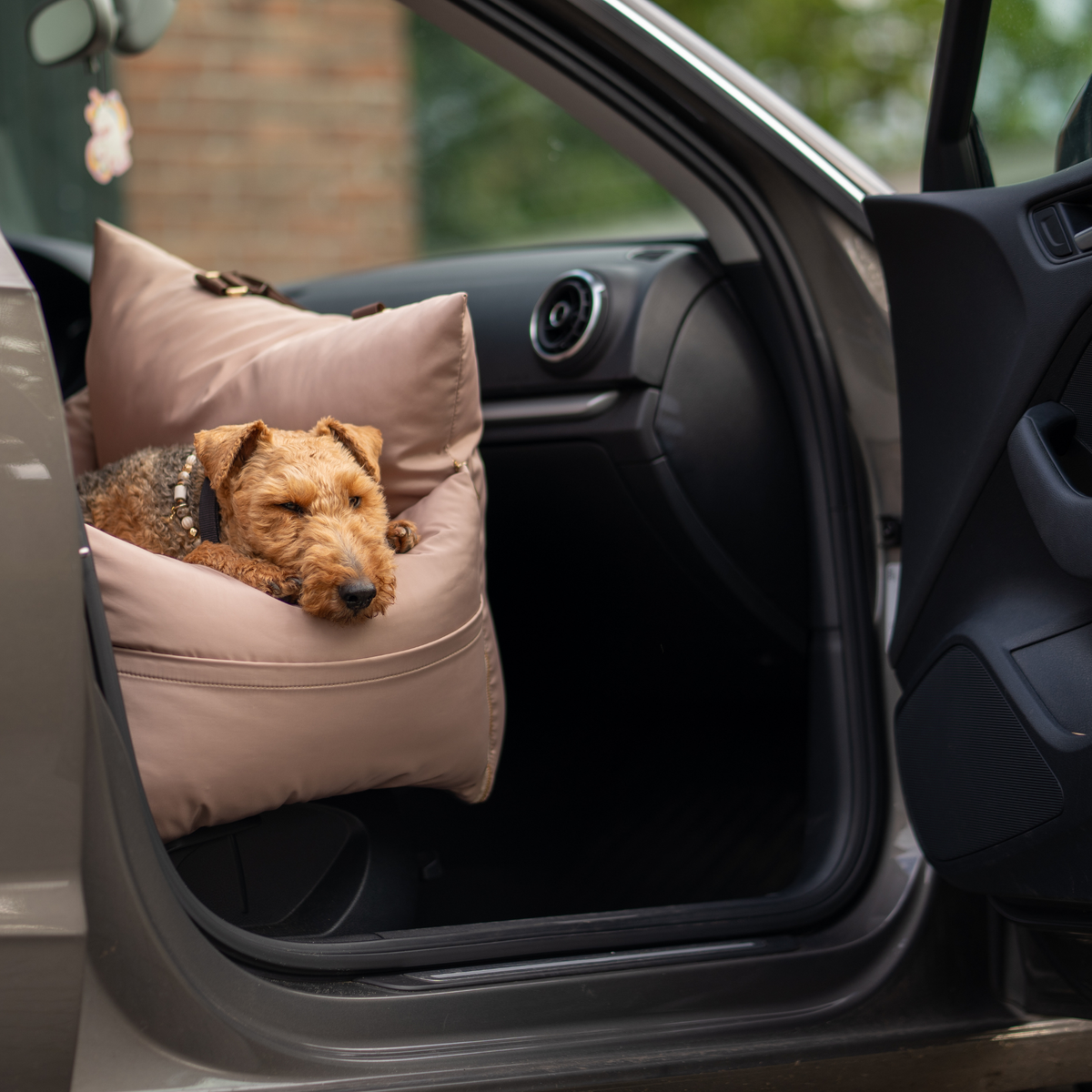
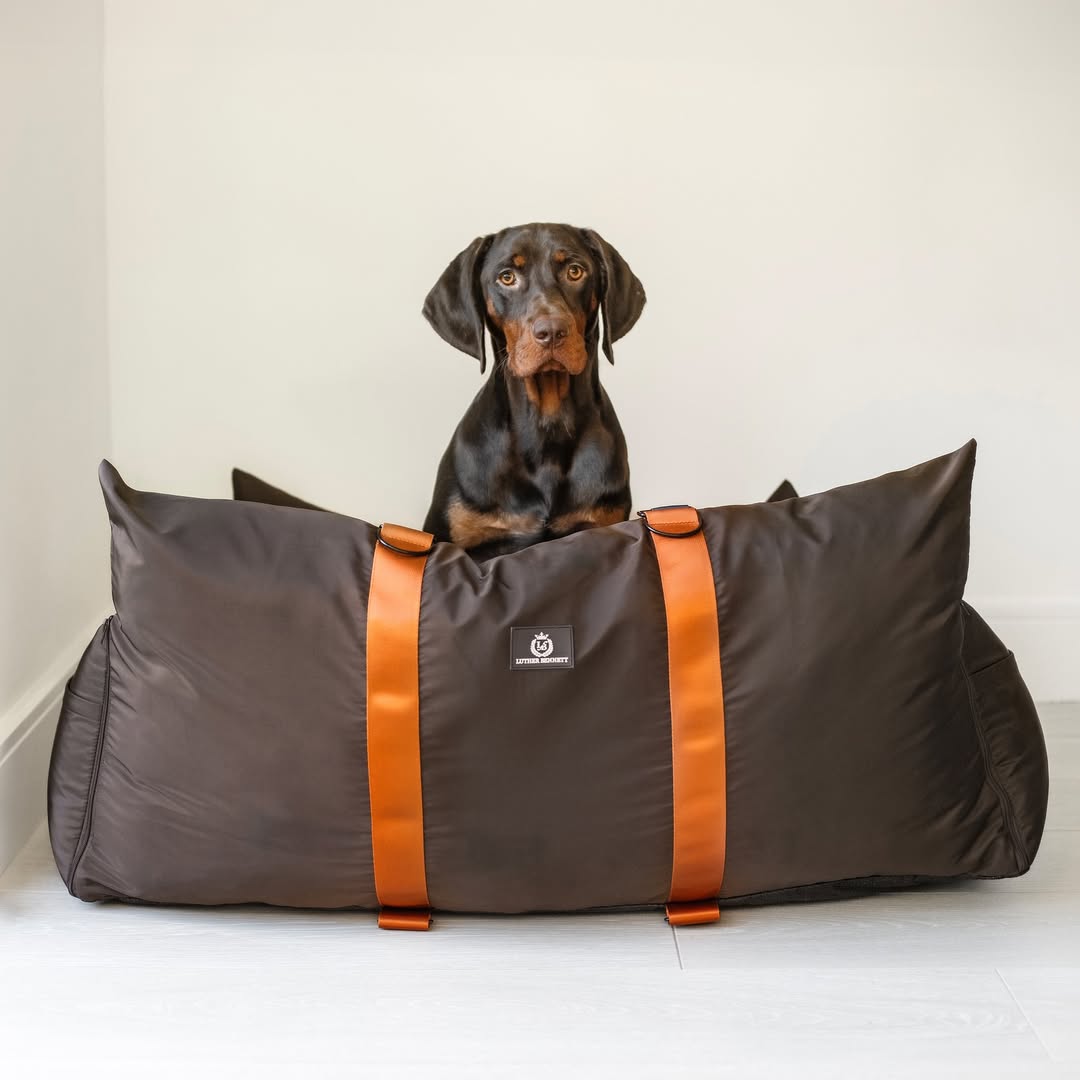
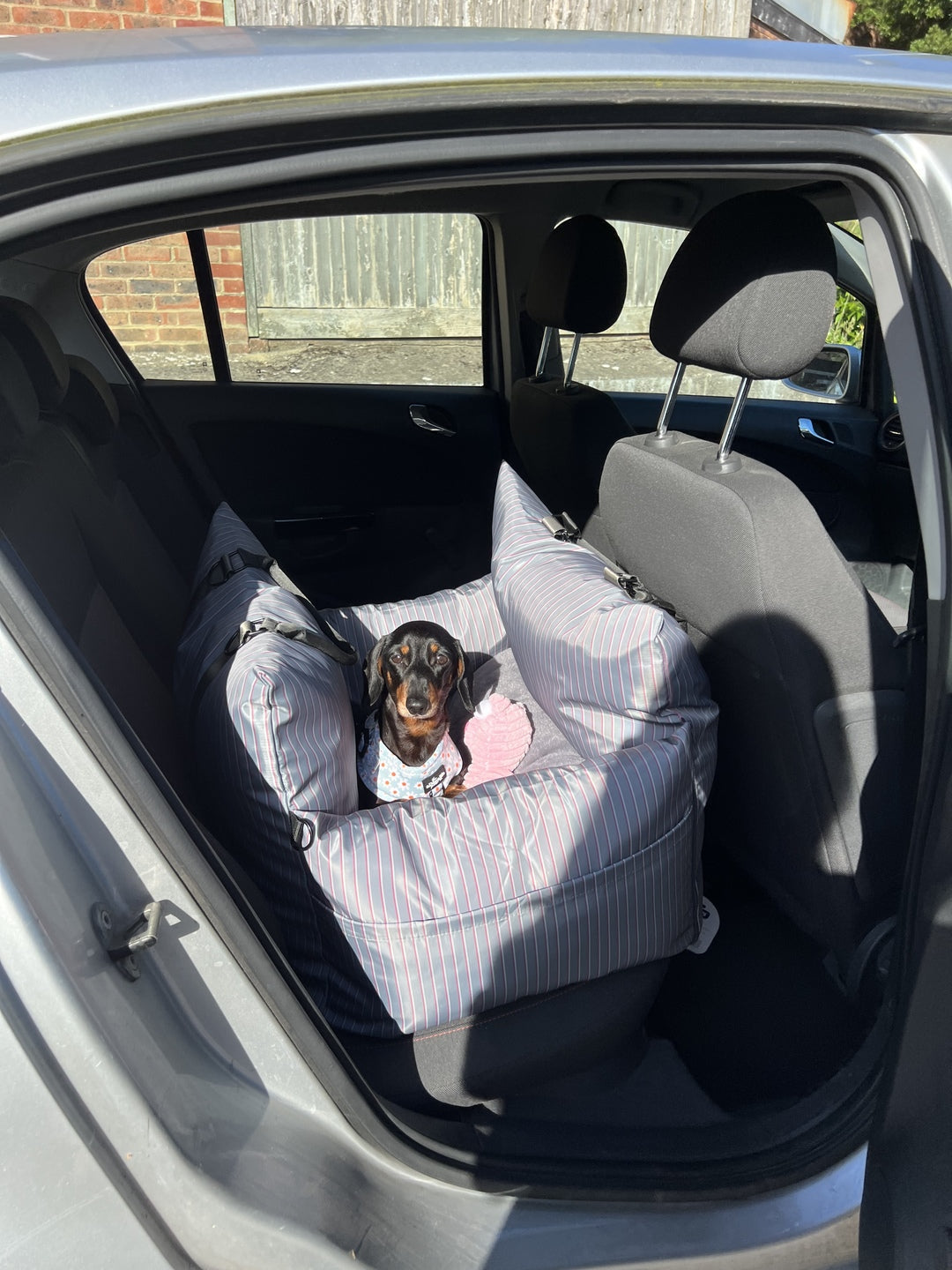
Elevation and a clear sightline. This is the single most effective intervention for motion sickness. When your dog can see the horizon and the road ahead, their visual input aligns with their vestibular input — the same principle behind why you feel less carsick when you look out the window rather than at your phone. A raised position within the car, like the Dog Pod, gives your dog that sightline automatically.
Ventilation. Fresh air helps. Crack a window slightly — not enough for your dog to stick their head out (which is a safety risk), but enough to circulate air and reduce the stuffy, enclosed feeling that contributes to nausea.
Smooth driving. This sounds obvious, but it matters more than most people realise. Gentle braking, smooth acceleration, and taking corners steadily reduces the vestibular disruption that triggers sickness. The less your dog's body is thrown around, the less their inner ear has to process.
Empty stomach before travel. Feed your dog at least two hours before a journey, or travel before their meal. A full stomach increases the likelihood and severity of vomiting.
Medication (for persistent cases). Cerenia (maropitant) is the veterinary gold standard for canine motion sickness. It blocks the nausea response at the neurological level and is effective for most dogs. Your vet can prescribe it for regular use during travel, and it's particularly useful for buying time while you implement longer-term solutions.
What to Do About Car Anxiety
If the timeline test points to anxiety as the primary issue, the approach shifts.
Physical stability first. This is the step most anxiety advice skips, and it's the most important one. A dog who feels physically unstable in the car — sliding on seats, bracing against turns, jolted by every bump — is experiencing a genuine physical threat, not an irrational fear. Securing your dog in an enclosed, padded space that holds them steady removes the physical trigger. Many dogs settle within their first few journeys in a properly designed car seat, because the thing making them anxious is simply no longer happening.
Systematic desensitisation. Once the physical environment is right, build positive associations gradually. Start with sitting in the parked car, engine off. Progress to engine running. Then short drives to enjoyable destinations. Increase duration slowly. Never push through visible distress.
Consistent routine. Same entry process, same settled position, same calm energy from you. Predictability reduces the uncertainty that feeds anxiety.
Calming aids. Adaptil spray (15 minutes before travel), classical music, and lavender aromatherapy all have evidence supporting their use as complementary tools. They don't replace physical stability or desensitisation, but they can support the process.
For a full step-by-step plan, see our guide to dog car anxiety.
What to Do When It's Both
For most dogs, it's both — and that's actually good news, because addressing the physical problem typically improves both conditions simultaneously.
Start with motion sickness. Create a stable, elevated space with a clear sightline. Consider short-term medication if the sickness is severe. Reduce journey length and frequency while you work on the setup.
As the sickness reduces, watch the anxiety. If your dog was anxious because they were anticipating nausea, removing the nausea removes the trigger. The anxiety often resolves without specific behavioural intervention once the dog has several positive car experiences in a row.
If anxiety persists after the motion sickness is resolved — your dog still shows stress at the sight of the car, even though they no longer feel sick during journeys — layer in desensitisation work. The fear association was built over time, and it may take time to dismantle, even after the original cause is gone.
The sequence matters: physical problem first, then behavioural work. Not the other way around.
When to See Your Vet
Book a vet visit if your dog vomits on most car journeys regardless of length, if the symptoms are severe enough to affect their quality of life, if you suspect an underlying health condition (ear infections can mimic or exacerbate motion sickness), or if you've tried physical and environmental changes without improvement after four to six weeks.
Your vet can rule out medical causes, prescribe appropriate medication, and refer you to a clinical animal behaviourist if the anxiety component is severe.
The Practical Takeaway
Most dog owners are dealing with a combination of car sickness and car anxiety, not one or the other. The two conditions feed each other, which is why isolated treatments — a calming supplement without physical support, or anti-nausea medication without a stable setup — rarely work in isolation.
The most effective approach addresses the physical environment first. A stable, elevated, enclosed space resolves the vestibular conflict that causes sickness and removes the physical instability that triggers anxiety. Everything else — desensitisation, medication, calming aids — works better once the foundation is right.
Proven results, not just promises. See what makes the difference →


Share:
Dog Car Seat Recommendations For Dachshunds with IVDD
Travelling With a Cockapoo: Car Anxiety Tips and the Best Setup